

The Overlooked Habit Separating Disciplined Men From the Rest
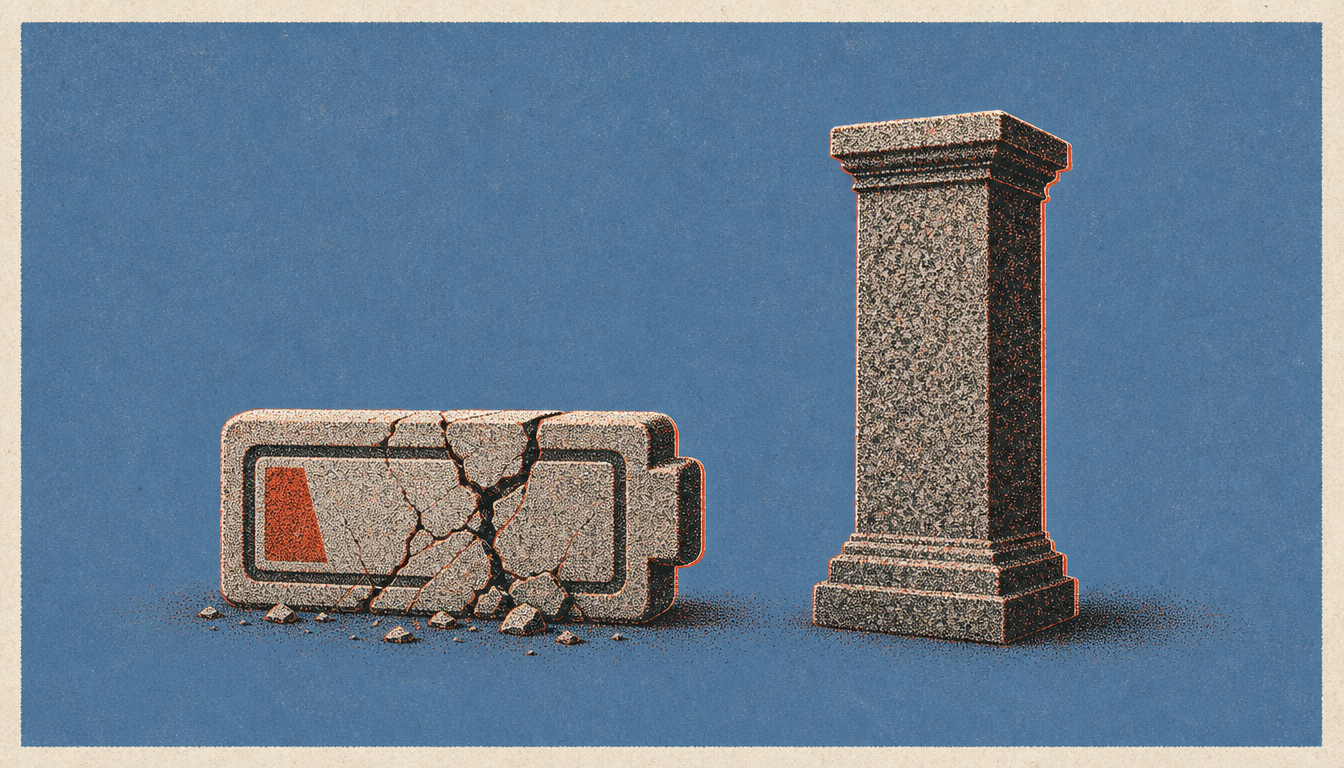
The men who build enduring discipline are not the ones with the strongest willpower or the loudest morning routines. They are the ones who keep a private, honest reckoning with themselves at the close of each day. This single habit, the deliberate review of what you did against what you intended, is the quiet engine behind everything else. Most self-improvement content skips it because it is unglamorous and it cannot be sold as a hack. Yet it is the practice that turns scattered effort into a coherent life.
You already know the vocabulary of discipline. You have read the books, saved the threads, watched the videos. The gap you feel is not a knowledge gap. It is the distance between understanding a principle and living it under pressure, on the days when no one is watching and motivation has left the room. Closing that distance is what this article is about.
The Myth of Willpower and the Reality of Systems
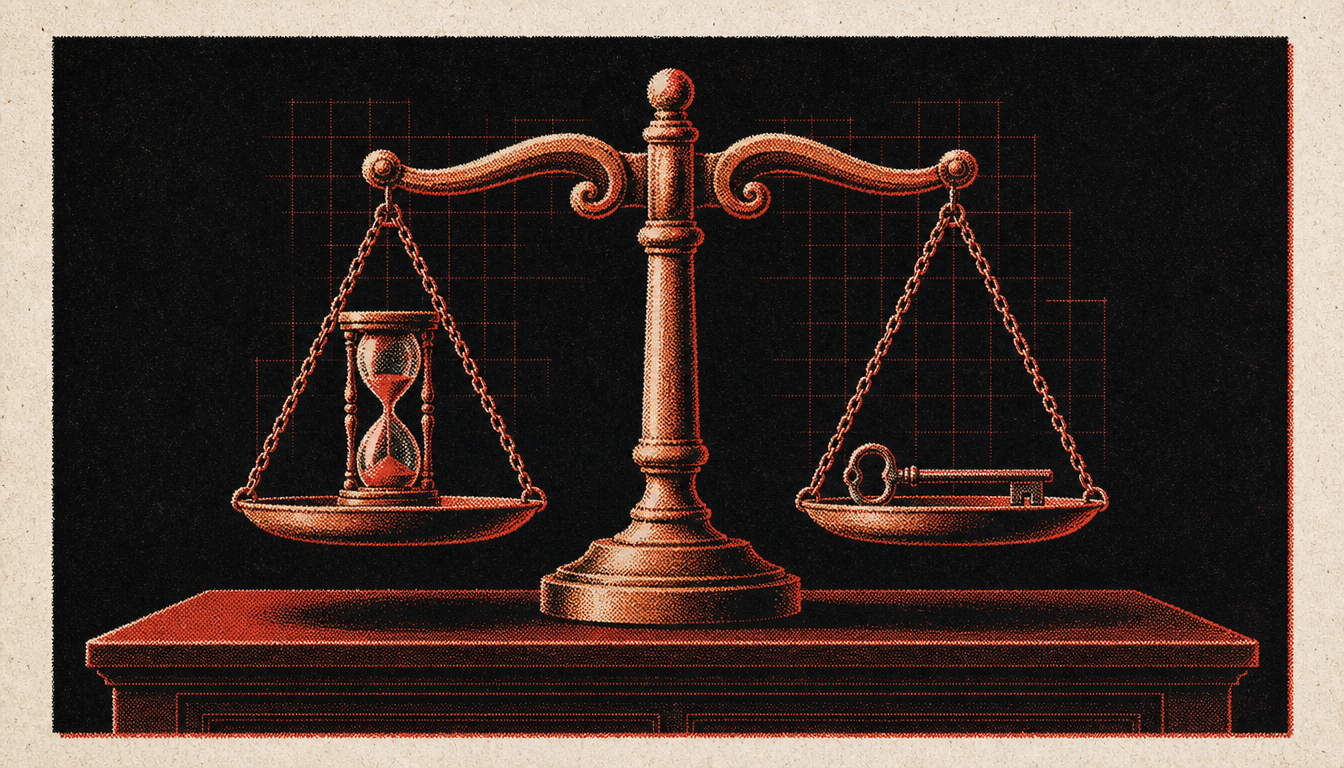
Popular self-development sells discipline as a matter of intensity. Push harder. Want it more. Grind through the resistance. This framing feels motivating in the moment and fails within a week, because willpower is a finite resource that depletes over the course of a day. By evening, the man running on raw willpower has none left, which is exactly why so many resolutions die after dark.
The Stoics understood something the motivation industry forgot. Discipline is not a burst of feeling, it is a structure you return to regardless of feeling. Seneca wrote of examining his own conduct each night, weighing his words and actions against reason. Marcus Aurelius wrote his reflections not for an audience but for himself, as a private instrument for staying aligned with his principles. Neither man relied on being inspired. They relied on a repeatable practice.
Consider the difference between the two approaches in practice. One depends on an internal state you cannot control. The other depends on a routine you can run on any day, including the worst ones.
| Dimension | Willpower-Based Effort | System-Based Discipline |
|---|---|---|
| Trigger | Feeling motivated | A fixed cue or time |
| Reliability | Fails when tired or stressed | Holds under pressure |
| Feedback | Vague sense of progress | Concrete daily record |
| Recovery from failure | Guilt and abandonment | Adjustment and continuation |
| Long-term outcome | Cycles of start and quit | Compounding consistency |
The man who wins is not the one who feels most driven. He is the one who built a system that makes the right action the default, then held himself accountable to it. Discipline is a structure you return to, not a feeling you summon.
The Overlooked Habit: The Daily Reckoning

The habit that separates disciplined men from the rest is the evening review, a short, honest accounting of the day. Not a journal of feelings. Not a gratitude list. A clear-eyed audit: what did I intend, what did I actually do, and where did the two diverge.
This practice sounds too simple to matter, and that is exactly why most men skip it. They chase elaborate systems while neglecting the one that compounds. The daily reckoning works because it closes the loop between intention and behavior. Without it, you drift. You believe you are becoming more disciplined while your actual conduct tells a different story you never bother to read.
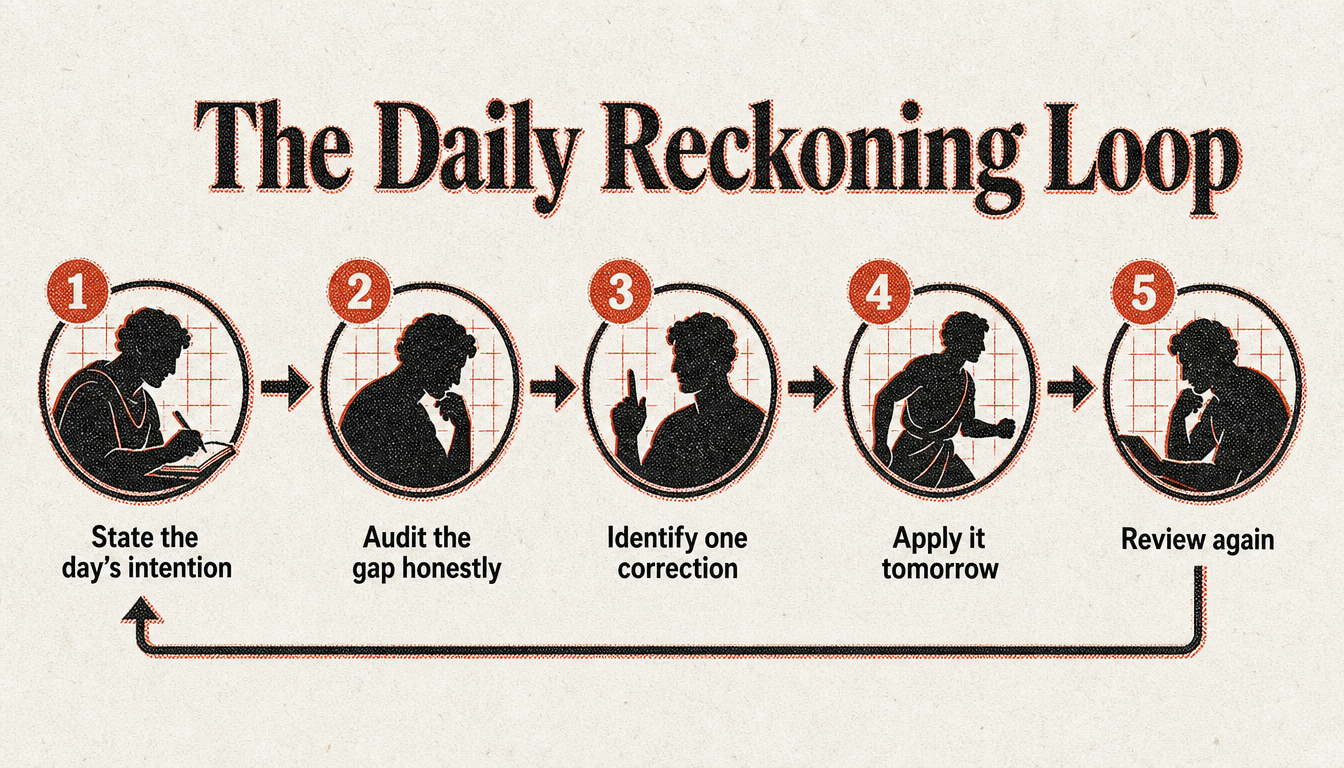
The diagram below illustrates the full cycle the daily reckoning creates.
Seneca described this directly. Every night he would ask himself what fault he had cured, what vice he had resisted, in what respect he was better. The point was never self-flagellation. It was correction. A man who reviews his conduct honestly cannot lie to himself for long, and a man who cannot lie to himself is forced to improve.
Why This Habit Precedes All Others
You cannot fix what you refuse to measure. Every other habit of disciplined men, the training, the reading, the restraint, the follow-through, depends on knowing whether you actually did the thing you claimed you would do. The daily reckoning is the measurement layer beneath the entire structure. Skip it, and your self-image floats free of your behavior.
What the Reckoning Is Not
It is not rumination. Lying awake replaying your failures is the opposite of what this practice demands. The reckoning is deliberate and bounded: a few minutes, a fixed set of questions, then closed. It is not about feeling bad. It is about seeing clearly, then acting on what you see tomorrow.

How Disciplined Men Actually Run the Review

The mechanics matter, because a vague intention to reflect collapses into nothing. Disciplined men make the reckoning concrete and repeatable. Here is the structure that works.
- Fix the time and place. Attach the review to something you already do every night. Same chair, same ten minutes, same trigger. The cue removes the need for a decision.
- State the day's intention first. Recall what you set out to do that morning. Without a stated intention, there is nothing to measure against.
- Audit the gap honestly. Name where your conduct matched your intention and where it fell short. Be specific. "I wasted an hour" is useless. "I opened my phone at 9 and lost an hour I had planned for reading" is actionable.
- Identify one correction. Do not try to fix everything. Choose the single most important adjustment for tomorrow.
- Close the review. When you are done, you are done. No dwelling. The record is made; act on it tomorrow.
Notice that this takes minutes, not hours. The men who sustain it are the ones who keep it short enough to repeat forever. A demanding ritual gets abandoned. A five-minute one survives.
Handling the Days You Failed
Most men quit their review the moment it reveals something ugly. This is the exact wrong response. The days you performed worst are the days the reckoning matters most, because those are the days with the most to correct. The disciplined man does not need the review to flatter him. He needs it to inform him.
The Stoic frame is useful here. You are not your worst day. You are the pattern of your corrections over time. A single bad day recorded honestly and corrected the next morning is worth more than a week of good days you never examined.
The Objection: Isn't This Just Journaling?

A fair challenge. Journaling has become a wellness cliche, associated with morning pages and vague emotional processing. The daily reckoning is a different instrument with a different purpose, and confusing the two is why many men dismiss it.
Journaling in its popular form is expressive. You write to feel, to vent, to explore. The reckoning is evaluative. You review to judge your conduct against a standard and to correct course. One is about processing your inner weather. The other is about steering the ship.
| Aspect | Expressive Journaling | The Daily Reckoning |
|---|---|---|
| Purpose | Emotional release | Behavioral correction |
| Time frame | Open-ended | Bounded, brief |
| Focus | Feelings and events | Intention versus action |
| Output | A record of experience | One concrete correction |
| Risk | Rumination | Minimal when bounded |
The two are not enemies. A man can do both. But he should not mistake the comfort of expressive writing for the work of honest self-audit. The reckoning demands that you confront the distance between the man you claim to be and the man your day proved you to be. That confrontation is the point, and it is why the habit is harder than it looks.
What the Reckoning Builds Over Time

A single evening review changes little. The transformation comes from accumulation. Run the practice for a month and you begin to see your patterns with unusual clarity: the specific hour you tend to fold, the situations that trigger your worst impulses, the promises to yourself you habitually break. This self-knowledge is the raw material of every meaningful change.
The compounding runs deeper than habit tracking. Over months, the daily reckoning reshapes your relationship with yourself. You become a man whose word to himself means something, because you check whether you kept it. That internal integrity radiates outward. It shows up in how you carry yourself, in the steadiness others sense in you, in the quiet authority that comes from a man who is not at war with his own conduct.
Consider the domains it touches:
- Mental toughness. You build tolerance for uncomfortable truths by facing a small one every night.
- Social presence. Men who are honest with themselves are harder to manipulate and easier to trust, and it shows.
- Masculinity grounded in responsibility. Taking ownership of your day is the practical form of taking ownership of your life.
- Legacy. A life is a sequence of days. Steering each one, even slightly, changes where the whole thing lands.
The men who seem effortlessly disciplined are not born that way. They have simply been running a correction loop for so long that the right actions have become their defaults. What looks like natural discipline is accumulated honesty.
Building the Practice So It Actually Lasts
Knowing the habit is worthless if you abandon it in a week. The failure point for most men is not the concept, it is the follow-through, which is a fitting irony for a habit designed to fix exactly that. Here is how to make it stick.
Start absurdly small. Do not commit to a thirty-minute reflection. Commit to two questions: what did I intend, and what did I do. That is enough to start the loop. You can deepen it later once the habit is automatic. The men who try to start big are the ones who quit.
Anchor it to an existing routine. The habit needs a trigger it can borrow. Attach the review to brushing your teeth, to setting your alarm, to the moment you plug in your phone for the night. When the cue is automatic, the habit rides along with it.
Expect resistance, especially early. There will be nights you do not want to look. Those are the nights that count most. The urge to skip the review on your worst days is the exact reason to keep it. Push through the first difficult stretch and the practice becomes something you rely on rather than resist.
Looking ahead, I expect the men who cultivate this habit to pull steadily away from those who chase the next motivational fix. Not because they work harder in any given week, but because they are the only ones getting accurate feedback on their own lives. Everyone else is flying blind and calling it confidence. Over a decade, the gap becomes enormous. This is a prediction, not a certainty, but the mechanism is sound: consistent honest correction compounds, and nothing in the motivation economy competes with compounding.
My concrete recommendation is this. Tonight, before you sleep, ask yourself the two questions and answer them honestly. Do it again tomorrow. Do not wait for a system, an app, or a perfect setup. The practice begins with a decision to look, and that decision is available to you now.
Conclusion
The habit that separates disciplined men from the rest is not dramatic. It is the daily reckoning, the short and honest accounting of intention against action, done every night regardless of how the day went. It works because it gives you accurate feedback on your own conduct, and accurate feedback is the one thing willpower and motivation can never provide.
Everything else you want, the toughness, the presence, the ownership, the legacy, grows from the ground of self-honesty this habit creates. The men who seem to have it figured out are simply the ones who never stopped checking their own work.
So the question is not whether you understand this. You clearly do. The question is whether you will run the reckoning tonight, and again tomorrow, and keep running it on the days you least want to. What did you intend today, and what did you actually do? Answer honestly, and you have already begun.